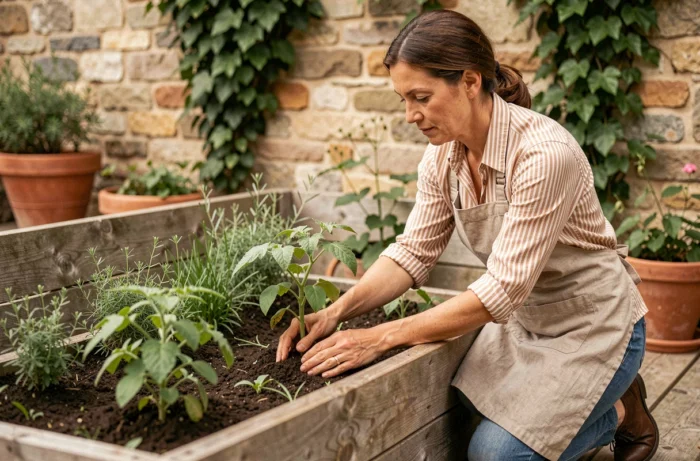
What indicators allow us to distinguish a genuine gardening trend from a mere fad in 2026? Between the rise of urban gardening among younger generations, the economic resilience of the sector against DIY, and the documented return of the French style, the available data outlines measurable directions. This article compares the dynamics shaping gardening this year based on recent survey figures and market signals.
Urban Gardening in France: What the Stiga-YouGov 2026 Survey Reveals
Most articles on gardening trends mention green balconies without relying on data. The “Gardens of Europe” survey, commissioned by the manufacturer Stiga and conducted by YouGov in 2026, provides a more precise framework.
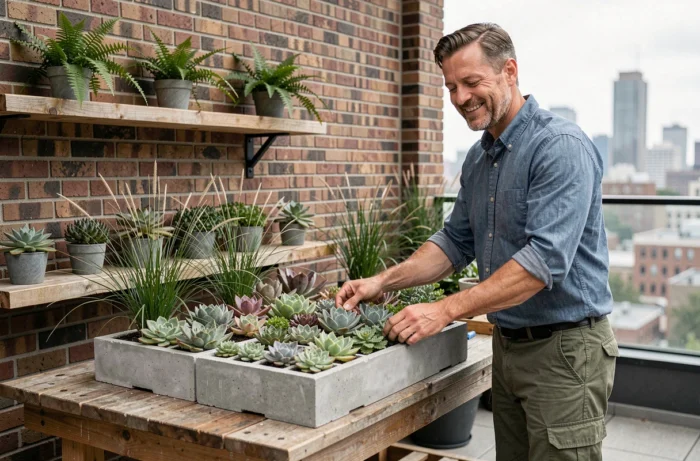
39% of French respondents practice urban gardening (balconies, rooftop terraces, courtyard gardens, or shared plots), compared to an average of 31% in Europe. France is thus significantly ahead of its neighbors in this segment.
The study also shows that European urban gardeners report being more interested in gardening than they were five years ago, with interest increases exceeding 60% in France, the UK, Germany, and Italy. The 18-34 age group is over-represented among these urban gardeners, confirming a generational dynamic that mainstream content does not exploit enough.
To follow the latest from Le Jardineur on emerging practices this season, the results of this survey provide a factual basis rarely utilized by traditional guides.
| Indicator | France | European Average |
|---|---|---|
| Practice of Urban Gardening | 39% | 31% |
| Interest Increase Over 5 Years | Exceeding 60% | Varies by Country |
| Over-Represented Age Group | 18-34 years | 18-34 years |
Market Resilience in Gardening Against DIY: A Dynamic Gap
Gardening trends are not only reflected in plant catalogs. Economic data from the sector shows that the gardening segment is faring better than DIY in recent seasons. This resilience, rarely mentioned in outdoor decoration content, is changing the purchasing strategies of retailers and consumers.
Specifically, garden centers maintain a more stable level of activity, while DIY sections are more affected by economic uncertainties. For amateur gardeners, this translates into a wide offering of perennials and shrubs that remains robust despite pressures on the European horticultural sector, as reported by Valhor in August 2026.
What This Means for Plant Choices This Season
A resilient market means a relatively stable supply of species suited to French soil and climate. Nurseries continue to offer diverse ranges of perennials and trees, including low-maintenance varieties that meet the expectations of gardeners looking to conserve water.
On the other hand, summer pressure on the European horticultural sector is pushing some producers to favor fast-growing species. Long-flowering shrubs and ornamental grasses are gaining ground in catalogs at the expense of some annuals that are more costly to produce.
French Garden Style: The Return Documented by Online Searches
A report shared by the platform Houzz indicates that searches related to the “French garden” style are significantly increasing in 2026. This is not a return to the parterres of Versailles, but a contemporary reinterpretation that combines geometric structure with less rigid plantings.
Five categories of plants are re-emerging in this trend:
- Buxus and their alternatives resistant to boxwood moth, used to structure borders without resorting to heavy chemical treatments
- Natural-looking shrub roses that provide volume without frequent pruning
- Structural perennials (lavenders, sages, nepeta) that tolerate dry soils and require little maintenance in peak season
- Espaliered fruit trees, suitable for small spaces and urban courtyard gardens
- Low grasses along pathways that soften the classic geometry
What distinguishes this trend from the naturalistic garden (very present among competitors) is the search for a structured framework compatible with reduced maintenance. The French garden version 2026 does not require a full-time gardener: it relies on perennial plants and a clear design that limits interventions.
Lawn and Soil: Changing Trade-offs in 2026
The lawn remains the most time-consuming maintenance task for the majority of gardens in France. The trends of 2026 confirm a shift towards alternative ground covers: dwarf clover, fine fescues, and flowering mixes in low-traffic areas.
Replacing even a third of the grassed area significantly reduces mowing frequency and water consumption. This approach particularly appeals to urban gardeners (excluding balconies) who have modest spaces and want to increase soil biodiversity.
Soil Work and Mulching: Two Practices on the Rise
Organic mulching (wood chips, fallen leaves, hemp straw) is becoming a reflex rather than an option. It protects the soil from evaporation, nourishes microbial life, and limits manual weeding. Combined with minimal soil work (no deep turning, simple surface scratching), it fits into a logic of regenerative gardening accessible without specific training.
The choice of growing medium also weighs in seasonal purchases: peat-reduced potting soils are progressing on the shelves, driven by combined environmental recommendations and consumer demand for more sustainable substrates.
This year’s data paints a picture of a more urban, structured, and economical French garden. The rise of gardening among 18-34 year-olds, the economic stability of the sector, and the return of the French style form a coherent triptych. The common denominator remains the search for a garden that requires fewer interventions for a more pronounced visual result.